
Written using guidance from the Child Mind Institute and the UC Davis MIND Institute, a 2025 clinical summary on excoriation disorder in children and adolescents, and habit reversal training as used for body-focused repetitive behaviors. Research specific to children is limited, and we say where it is.
Most children pick at a scab, a hangnail or a bug bite now and then, and on its own that is ordinary. It becomes something to plan for when the picking leaves open wounds, gets infected or scars, keeps returning to the same spots for weeks, happens in a kind of trance during screens or at bedtime, or when your child tells you they can't stop or starts hiding their fingers, knees or arms from you. If you are seeing any of those, there is a lot you can do at home starting tonight, and a short list of reasons to book a doctor this week.
What helps depends on age. Younger children need you to set things up around them. Older children start to steer, with you coaching. Teenagers steer on their own. The words change along the way too, so the scripts further down are matched to age.
What you're looking at
Picking that usually needs nothing more than a bandage and patience:
- A scab or hangnail gets picked, then heals and is forgotten
- It stops easily when your child is busy with something else
- Your child isn't upset by it and doesn't hide it
Picking that deserves a plan:
- Open wounds, bleeding cuticles, or sores that never get the chance to close
- Redness, swelling or crusting that looks infected
- Marks or scars from old spots
- Picking that happens while your child is absorbed in a screen, reading, or falling asleep, with no sign they've noticed
- Your child says they want to stop and can't
- Long sleeves in warm weather, hands kept in pockets, bandages you didn't put on
Get the skin checked before anything else
Itchy or bumpy skin hands fingers a target. Eczema, dry winter skin, insect bites, molluscum, early acne in older children, and anything else that itches can start a picking cycle or keep one going. Treat the skin and you shrink the number of spots that pull at your child's attention. You also can't tell picking from scratching at an untreated rash, so a doctor's look is step one.
A doctor visit is also the place for a wider screen. In an Adoptive Families Q&A about a seven-year-old who picked until she bled, the advice was to screen for other causes too, including anemia and kidney or liver problems, alongside sensory issues. Picking also shows up more often alongside anxiety, OCD, ADHD, sensory seeking and autism. That doesn't mean your child has any of them. It means a good doctor will ask a few questions about sleep, worry, focus and routines rather than looking only at the skin.
What your face does matters
Seeing your child's skin torn up can bring on worry, frustration, even a jolt of disgust, followed by guilt about feeling disgusted. All of that is human. The problem is that children read faces long before they read words. If your mouth tightens or you suck in a breath every time a scab comes into view, your child learns that their skin is a source of tension between you. Children who feel watched and judged tend to pick where you can't see, which makes everything harder to help with.
A few things that help in the moment:
- Your face: soften your jaw, breathe out slowly, and look at your child's eyes rather than the wound.
- Your hands: don't grab, swat or pull their hand away. Offer the object you've agreed on instead, or do nothing and talk later.
- Your voice: keep it at the same volume you'd use to ask about homework.
Then get the other adults on the same page. A child who gets a calm cue from one parent, a scolding from the other and a "you'll ruin your pretty hands" from a grandparent is getting three different messages. Agree on one approach and one cue, and pass it on:
"We're dealing with the picking quietly. If you see it, please don't say anything about it to her. Just hand her the stone, or let me know later."
Your role at each age
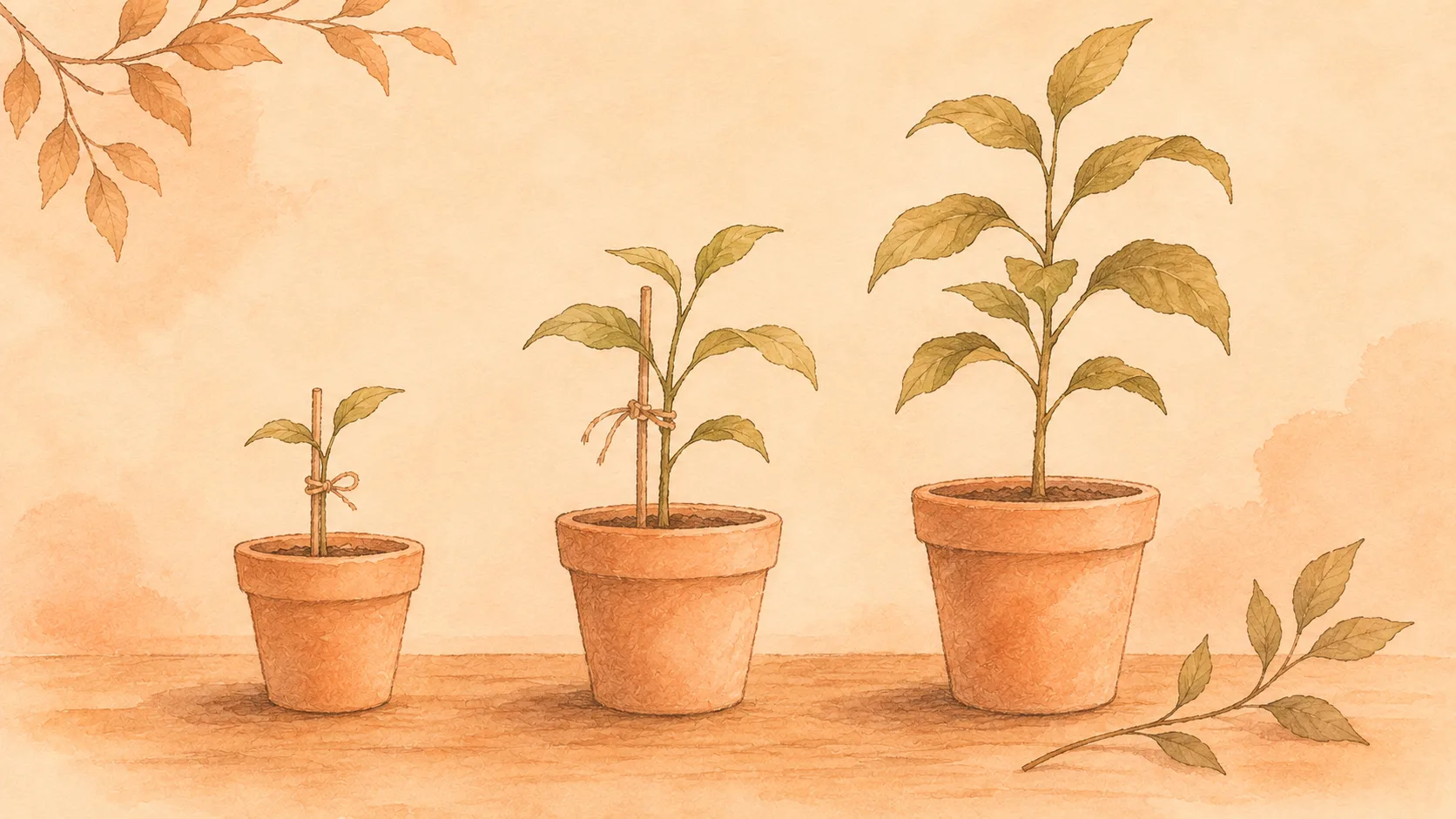
The core approach used by therapists is habit reversal training: helping someone notice the picking, giving their hands a different job, and changing the surroundings so picking is harder. With a young child, you carry almost all of that. Over time it moves into your child's hands.
Under about 6: you run the setup
Young children can't be expected to catch themselves, so build the environment around them and let it do the work.
- Nails: keep them short and file the edges after clipping. A jagged nail edge invites picking.
- Bandages: cover the favorite spots. A bandage is a physical barrier and a reminder, and it protects healing skin. Frame it as care: "This one's keeping your knee cozy while it gets better."
- Busy hands at screen time: a lump of playdough, a smooth stone, a textured toy or a squishy within reach before the screen goes on.
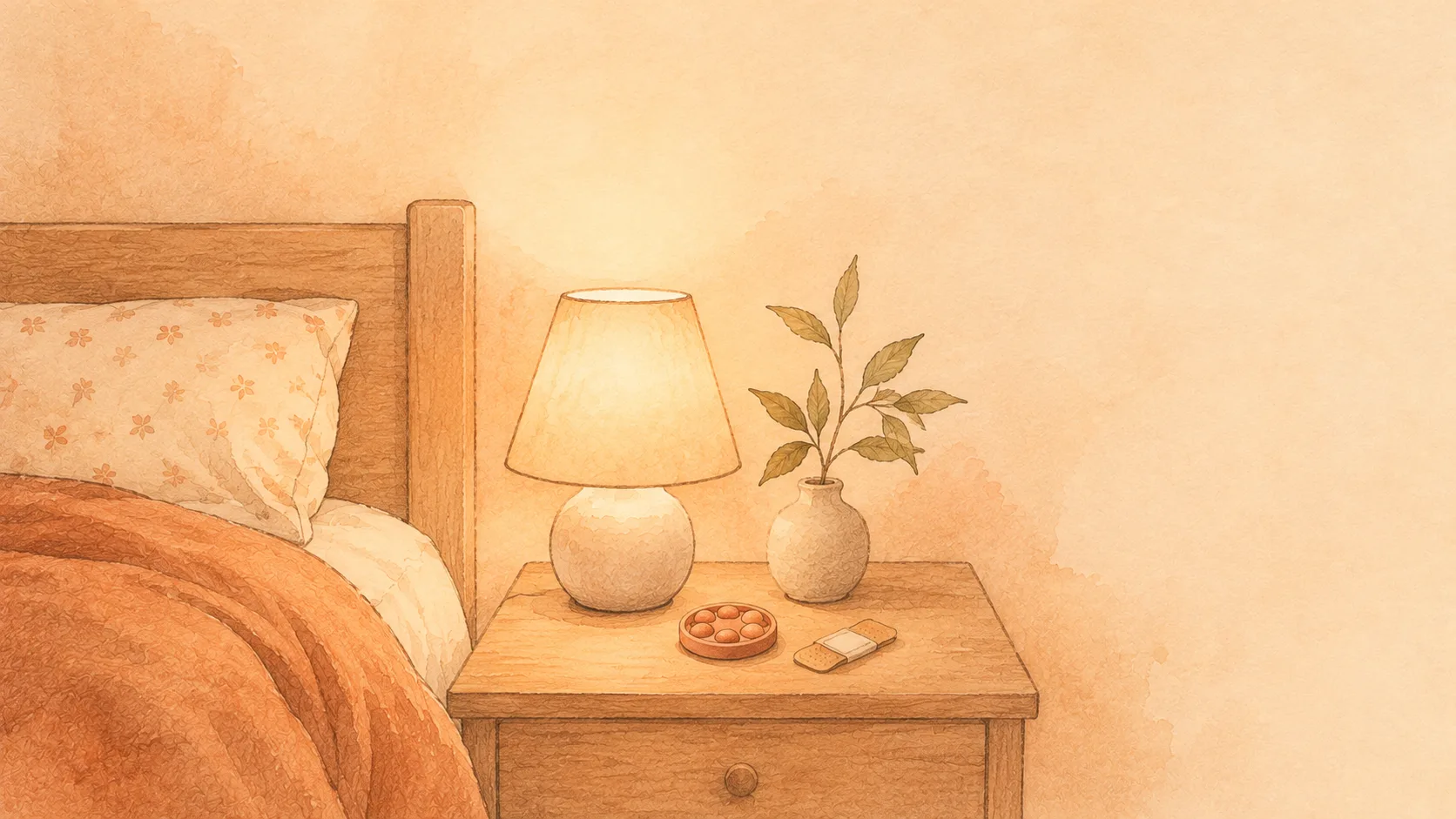
- Bedtime: soft light rather than a bright overhead lamp, a small fidget or textured soft toy by the pillow, bandages on before lights out, pajamas that cover the usual spots.
When your child uses the replacement, notice it in a few words and move on: "You grabbed your squishy. Nice." Keep praise about what their hands did, never about how their skin looks.
About 6 to 12: your child notices and chooses, you coach
School-age children can start to spot their own patterns and pick their own tools. Your job shifts from doing it for them to building the plan with them.
- Sit down together and list where and when picking happens. Your week of notes helps here.
- Let your child choose the replacements. A tool they picked out gets used more than one you handed over.
- Agree on a quiet cue you'll use when you see picking they haven't noticed.
- Ask whether they want bandages, and where. Some children like them; some find them embarrassing at school.
- Check in briefly once a week about the plan ("Is the stone still working at reading time?"), not about the skin.
This is also the age where a therapist can teach habit reversal directly to your child, usually with you joining part of the session.
13 and up: your teenager leads
Teenagers need to own their plan, and too much parental involvement usually backfires. You become the person who pays for therapy, makes appointments and stays calm. The guide for parents of teenagers covers this age in detail.
If your child also bites their nails or pulls their hair, those have their own guides: nail biting in children and hair pulling in children.
Words to use, age by age
These are meant to be said as written, or close to it. For phrases to steer clear of, see what not to say to someone who picks.
The first conversation
For a child under 6, keep it short and make it about helping the skin:
"Your fingers really like finding bumps, don't they? Lots of fingers do that. Let's find your fingers a different job, so your skin gets a chance to heal."
For a child of about 6 to 12, ask more than you tell:
"Can I ask about the spots on your fingers? I'd like to help them heal, and I wondered if you'd like that too. When does the picking happen most? Do you notice when you start, or only afterwards?"
Then listen. If they shrug or change the subject, let it go and come back another day.
When you see it mid-pick
Agree on the cue ahead of time, at a calm moment, so it never lands as a surprise or a telling-off:
"If I see your fingers busy on your skin and you haven't noticed, I'll just say 'pebble' and pass you your stone. That's all. I won't say anything else about it."
Then keep that promise. Say the word, hand over the object, carry on with whatever you were doing. A sharp "stop it" in that moment adds embarrassment and rarely stops anything.
When they ask "Why do I do it?"
For a younger child:
"Your brain likes the feeling of bumpy turning smooth, and sometimes your hands go there before you've even decided. That's not naughty. We're teaching your hands something new to do."
For an older child:
"Some brains find picking calming, or it fills a gap when you're bored, tired or worried. You didn't choose to have a brain that does that, and it has nothing to do with being weak. It's a habit loop, and loops like that can be retrained. That's what we're working on."
When a sibling or another child says something
To a sibling, in private:
"His skin is his own business. If you want to help, the kindest thing is to not mention it at all."
To your child, a line they can use with other kids:
"If someone asks about your fingers, you can say 'It's healing' or 'It's a habit I'm working on.' You don't have to explain more than that."
Talking to the doctor and finding a therapist
Many parents hear "they'll outgrow it" and leave with nothing. Going in with a clear description makes that less likely:
"My daughter is seven. She picks the skin on her fingers and knees most days, often until it bleeds, mainly during screen time and at bedtime. She says she wants to stop and can't. I'd like her skin checked for anything that itches, and I'd like a referral to someone who does habit reversal training with children. I'd rather start now than wait and see."
If the answer is still to wait, ask: "What would we do if it hasn't settled in three months?" That usually opens the door to a referral or a follow-up date.
When you look for a therapist, ask by name for habit reversal training (HRT) or the Comprehensive Behavioral model (ComB), and ask two follow-up questions: "Do you work with children this age?" and "How do you involve parents?" A good answer for a young child includes you in sessions and sends you home with things to set up. You can read more about how habit reversal training works.
Habit reversal training is still the usual starting point, and with younger children therapists generally involve parents more. Jerry Bubrick, PhD, of the Child Mind Institute points out that treatment is hard going when a child arrives dragged in against their will. With a young child that mostly means keeping it light and practical. With an older child, it means letting them have a say in whether and when to start.
If nobody nearby works with children, many BFRB-trained therapists see families by video. Our directory of online BFRB therapists lists providers trained in habit reversal, and there are online therapy options for skin picking worth comparing.
A note for school
Teachers see your child's hands for hours a day. A short note helps them support your plan without making it a thing:
"Hi Ms. Andersson, Leo picks at the skin on his fingers, mostly when he's concentrating or sitting still. We're working on it at home with a doctor's advice. It would help a lot if he could keep a small fidget (a smooth stone) at his desk, and if any picking could go unremarked. If you notice it getting a lot worse, please let me know privately. Thank you!"
A few other things worth arranging:
- Fidget permission in writing, so a substitute teacher doesn't confiscate it.
- PE and changing rooms: bandages over the worst spots on PE days, permission to wear a long-sleeved top if arms or legs are marked, and the option to change in a private stall if your child wants it.
- One named adult your child can tell if another student is making comments.
Signs it's time to move faster
Book a doctor the same day if you see:
- Redness that is spreading, warmth, swelling, pus, or a fever alongside a wound
- Wounds that are deep or keep bleeding
- Picking that is spreading quickly to new parts of the body
For day-to-day wound care while things heal, see how to help picked skin heal.
Talk to your child's doctor soon if picking comes with a change in mood: withdrawing from friends, trouble sleeping, avoiding school, frequent tears or anger.
Skin picking is not the same as self-harm. Picking is usually driven by the feel of the skin, a sense of relief, or zoning out, rather than an intent to cause pain. Sometimes, though, it's hard to tell from the outside. If you're unsure, ask calmly and directly:
"Do you ever hurt your skin on purpose when you're feeling really bad?"
If the answer is yes, or your child talks about wanting to hurt themselves or not wanting to be alive, contact their doctor the same day. If you think they are in immediate danger, call your local emergency number.
If your child is 13 or older
Some teenagers want something private to track their own progress. SkinAware is a recovery app for people 13 and up who pick, pull or bite. It lets them log episodes and urges they resisted, work through a habit reversal training course, and see patterns over time. It isn't a way for parents to monitor anyone, and it works best because it belongs to your teenager. If they want, they can invite you as an accountability friend so you see their log and streaks, and that stays their choice. Logging is free; the course and deeper features are Premium at about $8 a month or $39 a year.
Something private for your teenager to track
SkinAware is for people 13 and up who pick, pull or bite. Your teenager logs it, sees the patterns and chooses whether to invite anyone.
Available on iOS, Android and in your browser.
Questions parents ask
Some children do, and nobody can reliably predict which ones. Picking most often starts around puberty, so a young child who picks may keep picking or pick again later. Waiting also means wounds and possible scars in the meantime. The low-effort steps in this guide (short nails, bandages, something for the hands, a calm cue) cost little, so starting now makes sense even if it does fade on its own.
It can be connected. Picking shows up more often in children with anxiety, OCD, ADHD, sensory seeking or autism, and the Child Mind Institute notes the overlap with OCD specifically. Plenty of children who pick have none of these. A pediatrician or child psychologist can ask the right screening questions.
Bandages on favorite spots are one of the simplest places to start. They protect healing skin and act as a reminder. For older children who peel bandages, a liquid bandage can give them something to peel that isn't skin. Some families use soft cotton gloves at bedtime for young children; that only works if your child finds them comfortable and they're presented as a cozy thing, never as a punishment.
Punishment adds shame and usually drives picking out of sight. Quick, low-key praise works better when it's aimed at the action your child took instead, such as grabbing their fidget or asking for a bandage. Rewards tied to how clear their skin looks tend to backfire, because a bad day then feels like failure and hiding becomes the easy option.
Start with your pediatrician or family doctor to check the skin and rule out medical causes of itch. A dermatologist can help with eczema, acne or other skin conditions. For the picking itself, look for a psychologist or therapist who uses habit reversal training or the ComB model with children. No research so far shows SSRIs reduce picking in children or adolescents, though a prescriber may discuss medication for a co-occurring condition such as anxiety.
Usually not. Picking tends to be about the sensation, relief or zoning out, rather than wanting to cause pain. The two can overlap, so if you're unsure, ask your child calmly whether they ever hurt their skin on purpose when they feel bad, and talk to their doctor the same day if the answer worries you.