
Written using clinical guidance from the American Academy of Dermatology, the CDC, the NHS, DermNet, StatPearls (NCBI Bookshelf), Cleveland Clinic, and Odlaug and Grant's study of medical complications in pathologic skin picking (General Hospital Psychiatry, 2008).
Most picked skin heals without any trouble at all. A spot that's red, warm, tender and slightly puffy on day one isn't infected. It's inflamed, and inflammation is stage one of healing. That one confusion sends far more people into a panicked search than actual infections do.
What separates the two isn't a symptom you can catch in the mirror. It's direction, and it's time. Infection moves the wrong way on a schedule that healing doesn't: redness pushing outward past where it started, pain climbing after day two or three, drainage turning thick and opaque instead of thinning out. If your spot has been very slightly better each morning than it was the morning before, it's almost certainly doing what it's supposed to.
The rest of this is the part worth actually knowing. Which infections picked skin tends to get, because they don't look alike and they don't carry the same urgency. When "get that looked at" means this week and when it means today. And how to shorten the odds in the first place, including if you use tweezers or a needle, which a great many people do and almost nobody writes instructions for.
Why picked skin gets infected in the first place
Intact skin is a wall. Not a metaphorical one: the outer layer is a physical, chemical and microbial barrier that keeps bacteria on the outside of you, where they're harmless. A picked spot is a hole in that wall, and it stays a hole for as long as the wound stays open.
The bacteria that walk through it are usually your own. Around one in three people carry Staphylococcus aureus on their skin or in their nose without ever knowing, and it causes no problems whatsoever until it gets underneath. Which reframes something a lot of people get stuck on. If you've ever thought "but my hands were clean," you were probably right, and it didn't help, because the relevant bacteria weren't on your hands to begin with.
Your fingernails are the second half of the mechanism, and they do something more specific than "spreading germs." The underside of a nail is a warm, damp, sheltered reservoir that ordinary handwashing reaches last. When a nail goes into one infected spot and then into a fresh one, it carries the infection with it. Dermatologists call the result of that autoinoculation, and when it happens to an existing wound there's a word for it: impetiginization, meaning a wound that was just a wound has acquired a second, contagious infection on top.
Then there's reopening, which is the variable that beats the other two. A wound that's opened four times isn't one wound that took four times as long. It's four separate wounds in the same place, each with its own open window, and the tissue underneath gets a little thinner each round. Repeated damage to one site is also the main route to indented scarring, which is why the same spots keep both infecting and scarring.
The four infections picked skin actually gets
"Infected" isn't one thing, and knowing which one you're looking at changes what happens next.
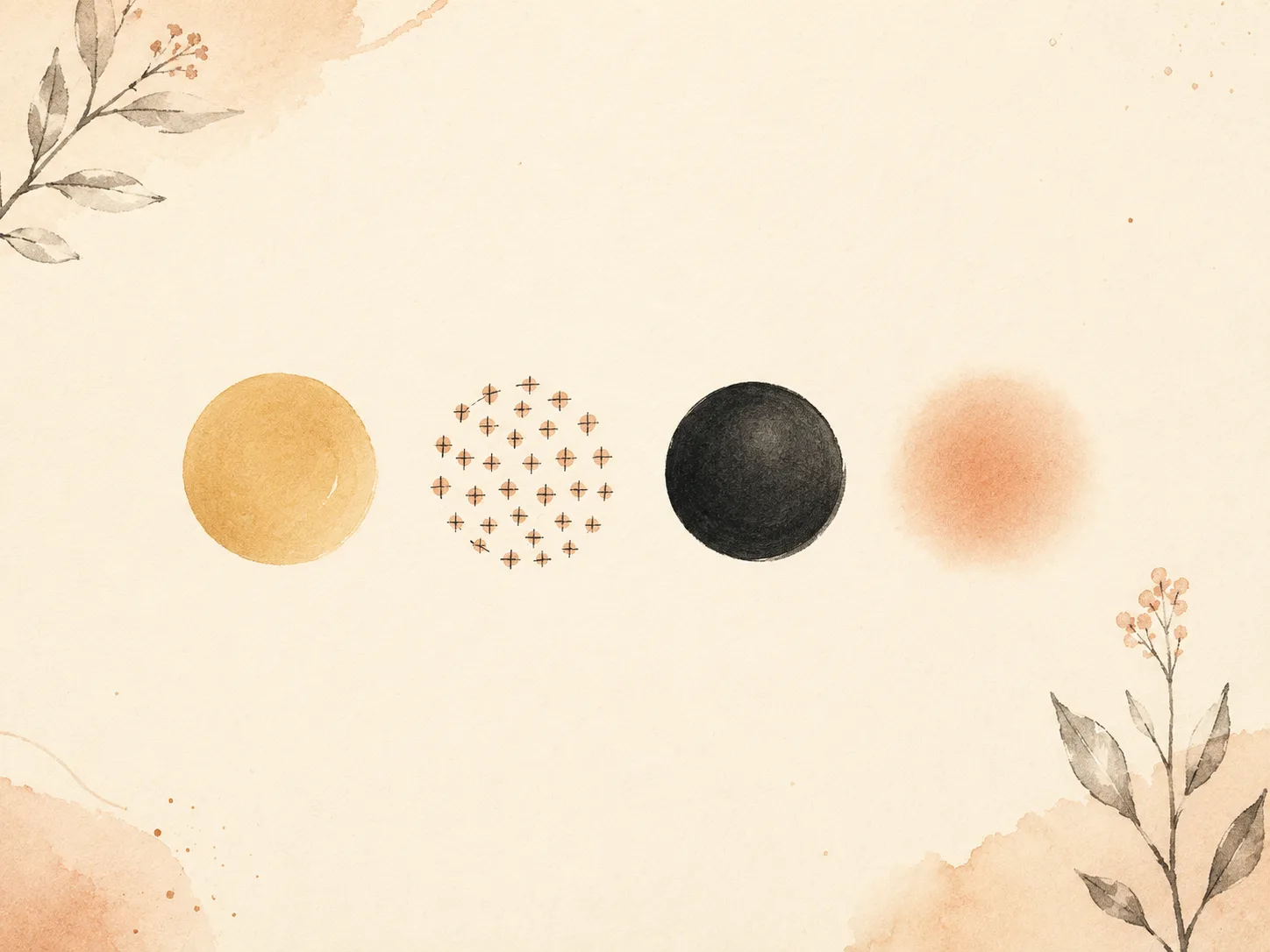
Impetigo is the one pickers get most often and recognize least. It's a superficial bacterial infection caused by staph, and sometimes strep, and its signature is a crust the color of honey sitting on a shallow raw patch. It looks so much like ordinary scabbing that people leave it for weeks. The tell is that it spreads: new patches appear nearby, or somewhere your hands have been, doing the same thing from the start. It's also genuinely contagious to other people, and to other parts of you. Left alone it usually takes two to three weeks to clear. Treated, the patches generally resolve inside ten days.
Folliculitis is infection centered on a hair follicle rather than a wound. Small pustules, each with a hair running through the middle of it, usually in a cluster. It turns up on legs, chest, shoulders and jawline, and it's much more common where picking and shaving happen in the same place. Mild cases settle on their own. Recurring ones are worth showing someone.
An abscess or boil is infection that's been walled off into a pocket of pus. It starts firm, deep and disproportionately painful, then softens over days as the pocket fills. This is the one where the instinct to deal with it yourself does real damage: squeezing an abscess mostly drives its contents sideways and deeper into the dermis rather than out through the surface. It needs draining properly, by someone with a sterile field, and often antibiotics alongside.
Cellulitis is infection that's got past the wound entirely and into the deeper skin and soft tissue underneath. It's the one people underestimate, and it gets its own section below.
Healing or infected? Read the clock, not the symptom
Days zero to two. Red, warm, tender, mildly swollen, weeping clear or straw-colored fluid. All expected. This is inflammation doing its job, and it looks alarming because it's supposed to be doing something.
Day two to three. This is the pivot, and it's the only bit you really need to remember. By now pain should be less than it was yesterday, not more. The red edge should be in the same place or slightly closer in, not further out. If both of those are true, you're healing, regardless of how unpleasant it still looks.
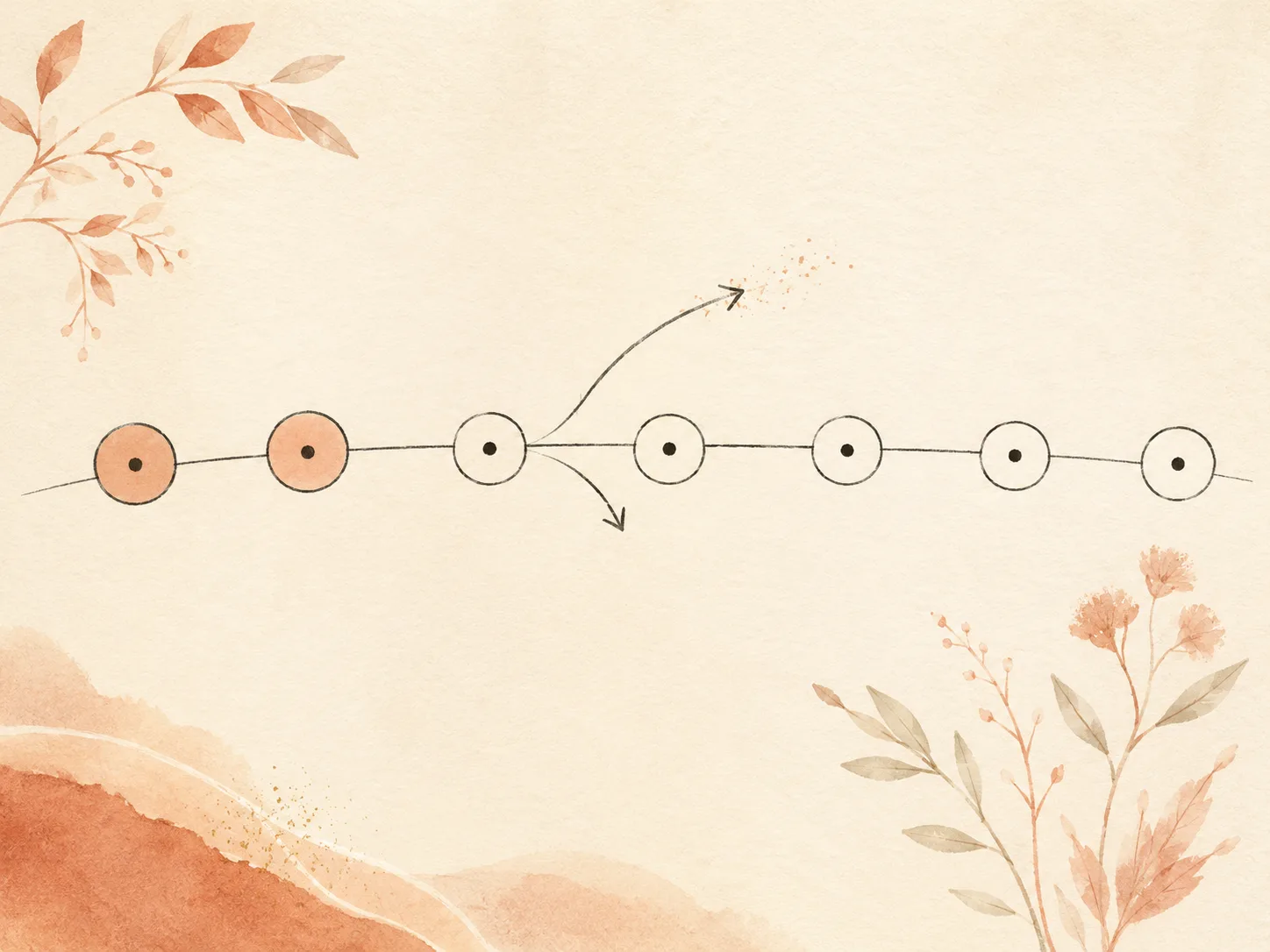
Days three to seven. The margin dries and tightens, the wound draws inward, the drainage thins and slows. Itching often shows up around now, which is a healing signal rather than a warning one, though it's also the point at which most people undo the previous week.
After about a week. A superficial picked wound that hasn't visibly started closing, or that's still as painful as it was on day two, has stopped being a waiting game. The American Academy of Dermatology's benchmark for an ordinary minor cut is that most heal in a week or less.
Two patterns don't fit this timeline and mean something on their own. Honey-colored crusting that appears in new places is impetigo, not slow healing. And a spot that was flat and is now a firm, deep, exquisitely tender lump is heading toward an abscess, whatever the surface is doing.
When to be seen, and how soon
Three tiers, because "see a doctor" covers everything from a routine appointment to an ambulance and the difference matters.
One practical thing that removes a lot of the dread from booking. You don't owe anyone the story of how the wound got there. What a clinician needs is the clock and the direction, and a sentence covering both is enough: "There's an open sore on my chin, it's been there about nine days, and the redness spread yesterday." That's a complete history. Nobody is going to be surprised by picked skin, and there's no version of this appointment where you have to justify yourself before someone will look. Facial wounds are the one place where a lower threshold is genuinely warranted rather than anxiety talking, so if the swelling is spreading on your face, treat that as today's problem.
Cellulitis: the one people wait too long on
Cellulitis is what happens when an infection stops being a lesion and becomes an area. Clinically it presents as "a poorly demarcated, warm, erythematous area with associated edema and tenderness to palpation," which in plain terms means a patch of skin that's red, hot, swollen and sore, with no clear border where it stops.
The reason it gets underestimated is that it doesn't look like an infection is supposed to look. There's no head, no pus, nothing to squeeze, often nothing dramatic at the original wound at all. Just an area that's warm and tender and quietly larger than it was this morning. People wait, because waiting is what you do with something that isn't obviously a crisis, and cellulitis is the one where waiting is expensive. Legs are the most commonly affected site, which is worth knowing if your picking lives on your legs alongside shaving.
Beyond cellulitis there are complications that make the medical literature and shouldn't make your evening. A 2023 case report describes chronic neck picking that eventually reached bone, producing cervical osteomyelitis and a spinal abscess. It's a single documented case, published precisely because it was the first of its kind, in a patient with a nine-year non-healing wound. It's worth knowing infections can travel. It is not worth reading as a forecast.
Hand and nail hygiene for someone who's going to pick anyway
Wash your hands before you pick. It's an odd instruction and it's probably the most useful one on this page.
Every other article on this subject gives abstinence advice, and abstinence advice fails at exactly the moment it's needed. Someone mid-urge is not going to be talked out of it by a webpage. But they can be routed through a sink, and the trip to the sink does two things at once. It removes the bacteria that would otherwise be delivered into an open wound, and it inserts thirty seconds between the urge and the act, which is a real delay and occasionally an interruption.
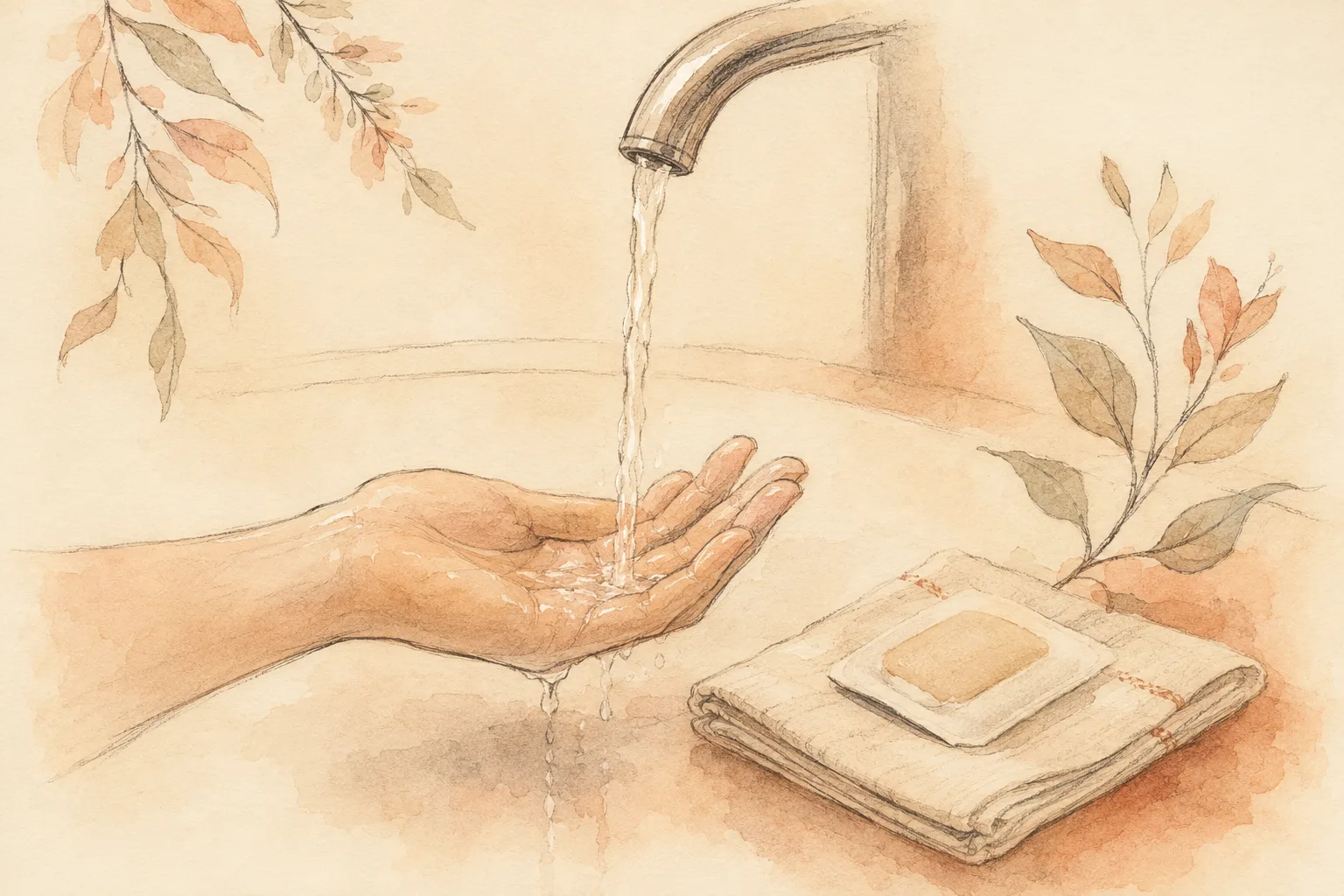
The washing itself. Soap and running water, twenty seconds, with attention to the backs of your hands, between your fingers, and under your nails. If there's no sink, hand sanitizer with at least 60% alcohol. Both figures are CDC guidance and both are unglamorous, which is why people skip them.
Nails short, and filed rather than clipped. Clippers leave a corner, and a corner is a tool. The underside of the nail is where staph sits, so length is doing double damage here: it's what makes picking effective and it's what makes it infectious.
Stop touching it to check. Pressing, prodding and lifting the edge to see how it's doing is a picking behavior wearing a sensible coat, and it's the most common way a covered wound gets contaminated. A covered spot that's left alone is not a spot you have information about, and that's the point.
The rest of it is boring and it works. Fresh towel rather than the one hanging up since Tuesday. Pillowcases changed more often than you'd otherwise bother with if you pick your face at night. Nothing shared that touches skin, so not razors, not towels, not tweezers, because staph moves perfectly well on objects.
If you use tweezers, a needle, or an extractor
You already know the advice is not to. It's in every article and it hasn't stopped you, and being told again by a ninth webpage isn't going to be the thing that does. What nobody writes down is how to make it less likely to end badly, so that's what this section is.
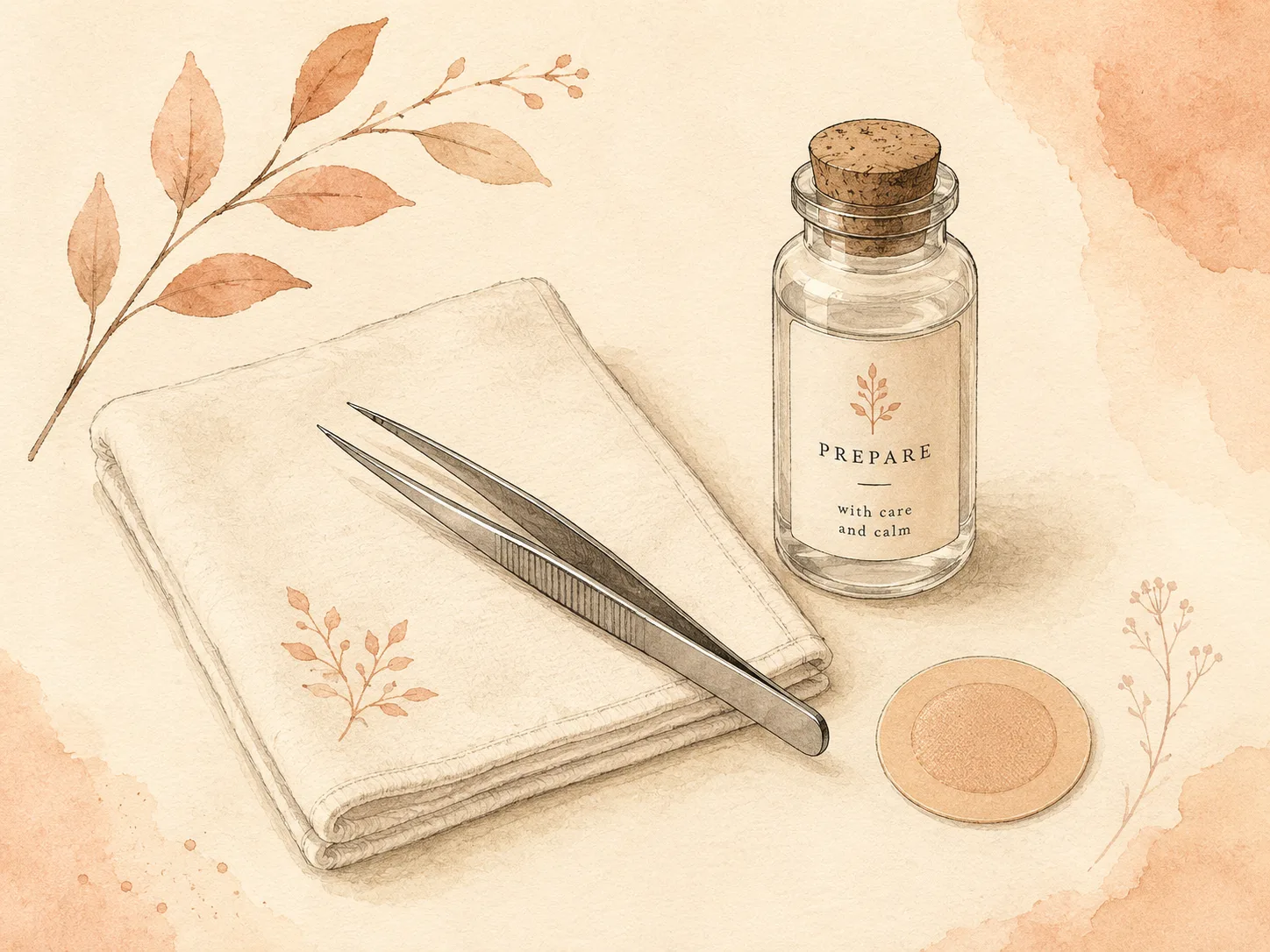
Disinfecting is not sterilizing. A wipe with 70% rubbing alcohol is what the AAD recommends for tweezers, and it substantially reduces what's on the metal. It does not make the tool sterile, and no amount of household technique will. Treat it as odds-shortening, not protection.
Let the alcohol dry completely. Wet alcohol going into broken skin stings badly and damages the cells doing the repair work. Thirty seconds of patience solves it.
Your tools are yours. Never borrowed, never lent, never the pair that lives in the shared bathroom drawer. This is the single easiest way that one person's staph becomes another person's infection.
Never reuse a needle, including your own. And never a sewing pin, safety pin or anything improvised. They can't be properly cleaned, the point burrs after one use, and a burred point tears rather than pierces.
Wash the skin too, not just the metal. A sterile tool going through unwashed skin carries the skin's bacteria inward with it.
Warm compress first, and stop when it resists. If something doesn't release under light pressure, it isn't ready, and forcing it pushes the contents sideways into the dermis instead of out. That's the abscess mechanism in a sentence, and it's the main way a small spot turns into two weeks.
Stop at blood. Bleeding means you've gone through into the dermis. Past that point you're not extracting anything, you're making a wound.
Cover it immediately afterwards, while your hands are still clean, rather than at the end of the evening.
The aftercare that actually lowers the risk
None of this is complicated, and there's a fuller version of it in the wound-healing protocol.
Wash your hands. Rinse the area with cool running water or plain saline, and pat it dry rather than rubbing. A thin layer of plain petroleum jelly. Cover it. Change the dressing if it gets wet or dirty, and otherwise leave it alone. If the spot is small and roughly round, a hydrocolloid patch does the covering and the moisture in one item, and puts something between your fingernail and the wound while it's at it.
One thing that surprises people: the AAD's guidance for a minor cut is explicitly "do not apply topical antibiotics." A wound that's cleaned and covered daily doesn't need one, and the neomycin in most over-the-counter triple-antibiotic ointments is a common contact allergen, which produces redness, swelling and itching that looks very much like the infection you were trying to avoid. An antibiotic prescribed for a specific reason by a clinician is a different matter entirely.
And the largest variable isn't in any of that. It's whether the wound gets one attempt at healing or five. Habit reversal training is the best-supported behavioral approach for body-focused repetitive behaviors, and it works on the mechanics of noticing an urge earlier and having somewhere else for your hands to go. Reducing reopening does more for your infection risk than every product in this article put together, and it's also most of what decides whether a spot leaves a permanent mark.
Track individual spots rather than picking in general. Knowing that the sore on your jaw is on day eleven and has been reopened twice is the exact information a clinician will ask for, and the exact information nobody can reconstruct under stress.
Know what day the spot is on
SkinAware lets you name a specific spot, mark it active or healed, count the days since you last picked it, and keep private photos attached to it. When you're deciding whether to book an appointment, that history is the whole answer.
Available on iOS, Android and in your browser.
Frequently asked questions
Look at direction rather than symptoms. Redness, warmth, tenderness and clear fluid in the first couple of days are normal healing. Infection is redness spreading outward past where it started, pain increasing after day two or three, and drainage turning thick, opaque or foul-smelling. If it's slightly better each day, it's healing.
That depends on which infection. Impetigo usually clears within about ten days on treatment, against two to three weeks untreated. Cellulitis is typically about a week of antibiotic tablets with most people fully recovered in 7 to 10 days. An abscess needs draining and won't resolve on its own.
The American Academy of Dermatology's guidance for minor wounds is not to. Plain petroleum jelly plus a cover does the job, and over-the-counter antibiotic ointments carry a real contact-allergy risk from neomycin, producing redness and itching that mimics infection. Antibiotics prescribed by a clinician for a specific reason are different.
Safer, not safe. Alcohol disinfects a tool, it doesn't sterilize it, and the bacteria that cause most of these infections are already on your skin rather than on the metal. If you're going to do it anyway, wash your hands and the skin, wipe the tool with 70% alcohol and let it dry, stop the moment there's resistance or blood, and cover it straight away.
A normal scab is dark red to brown, dries and tightens, and gets smaller. Honey-colored or golden crusting that spreads to new areas is impetigo. A firm, deep, disproportionately painful lump under the surface is heading toward an abscess. A warm, tender, poorly-defined red area growing outward with no clear border is cellulitis.
It can, though it's uncommon relative to how many people pick. Cellulitis and abscesses are the realistic complications and both are treatable when caught early. Severe outcomes like MRSA infections and infections reaching bone are documented but rare, and they generally follow wounds that have been open and repeatedly reopened for a long time rather than a single bad evening.
No. Air doesn't disinfect anything, and an uncovered wound both dries into a scab and stays available to your fingers. Keep it covered. If it's genuinely infected, the covering isn't the treatment either, and it needs seeing.